

Key Takeaways
✓
Functional freeze is not a diagnosis, but a term used to describe nervous system stress and trauma response, where you appear functional on the outside but are drained inside.
✓
It is an automatic neurophysiological safety response triggered when the nervous system detects any danger (stressful situation or trauma).
✓
Functioning on autopilot is not a complete immobilization; a person is capable enough to complete tasks despite feeling numb inside.
✓
Moving your body gently and practicing relaxation exercises can help calm the nervous system to get out of a functional freeze.
After a busy day of completing job tasks and everyday responsibilities, you sit on your bed feeling drained, disconnected, mentally foggy, and caught in overthinking. At first, you might brush it off as normal tiredness. But a busy day is not something that disconnects you or consistently makes you feel emotionally numb and causes withdrawal. It’s most probably a stress response caused by ongoing or inescapable stressful situations, leading the mind and body to enter a state called functional freeze, where you carry out everyday tasks but feel numb inside.
What Actually Is Functional Freeze?
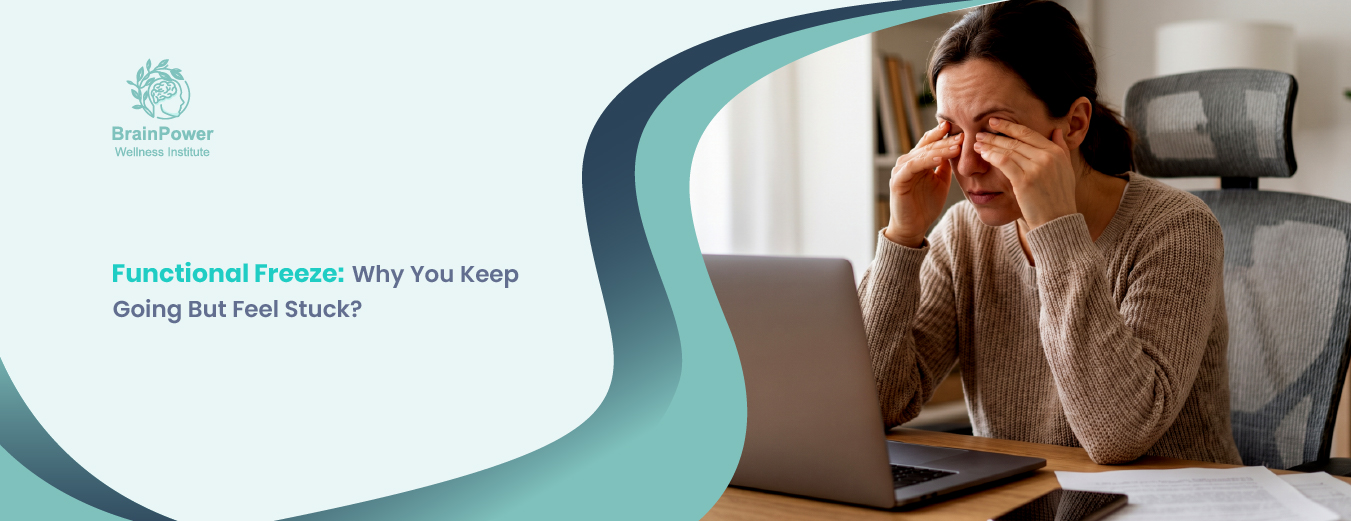
Functional freeze refers to a state of emotional numbness and mental exhaustion, while appearing to function outwardly. In this state, people continue meeting outer tasks and fulfilling life responsibilities, such as working, parenting, or caregiving, but are drained and disconnected emotionally.
Is Functional Freeze Mode a Diagnosis?
No, outwardly functioning, inwardly struggling is not a diagnosis, but a response to ongoing stressors or having too many tasks and inputs at once.
Functional freeze is a survival mode triggered by intense, ongoing stress. —Dr. Supatra Tovar, PsyD
How Long Does Functional Freeze Last?
There’s no specified timeline for how long the freeze lasts, and it can be quite difficult to examine this, as it is not an official diagnosis in the DSM-5-TR. However, Tigist Taylor, a licensed clinical professional counselor, based on her expertise, says that the duration of functional freeze varies and can last from several hours to days, weeks, or even longer.
How Does Functional Freezing Feel?
Functional freezing is defined as feeling numb and overwhelmed inside while appearing functional on the outside. Many people share their experiences of being in this situation; they are physically capable enough to carry on daily tasks and commit to to-do schedules, while internally they are struggling with emotional numbness, mental fogginess, and are unable to build an emotional connection with what they are doing.
Some are reported to self-blame themselves by misunderstanding internal hollows and feelings of lifelessness as a lack of willpower.
Is Functional Freeze a Sign of Lack of Willpower?
No. The freeze state is not lack of self-control, determination, or motivation. Instead, it’s a high-stress response, causing a partial nervous system shutdown.
Kellie Stirling, in her statement, compared her experiences with functional freeze to an Owl. She said that when I think of it, an image of an owl appears in front of me, sitting quietly and blending with the surroundings.
This Stirling’s personal metaphor illustrates how someone struggles with functional freeze, like the quietness of the owl, while remaining outwardly present.
Signs of Experiencing Functional Freeze
As it is not a standalone condition, there isn’t a specific list of symptoms. However, below are some of the signs people reported as frequently noticed.
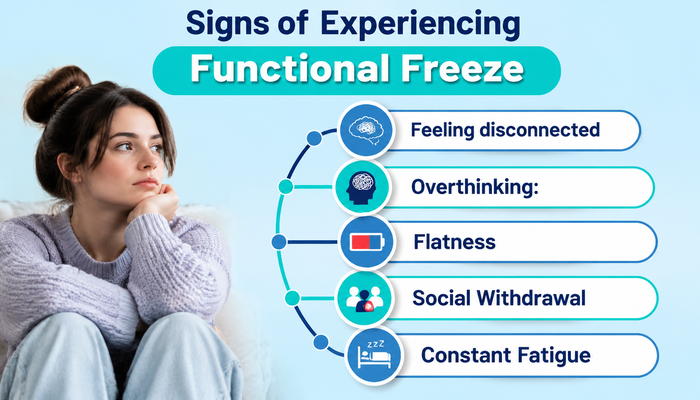
- Feeling disconnected: It is one of the common functional freeze symptoms. Everything you do feels disconnected from your emotions. Whether it’s a job task or a life responsibility, you get it done without being engaged in it or really enjoying it.
- Overthinking: You create unnecessary complexities yourself. Your mind enters a loop of thought before making every small decision, with no way to back out, wasting time and mental energy.
- Flatness: Instead of experiencing lows, you may feel internally muted; even positive news often gets a cold reaction. Activities you once loved now go unnoticed, receiving only a passing smile.
- Social Withdrawal: You attempted to distance yourself from others. Every call turned into a notification; invites are remembered with just a mark on the calendar, and plans are canceled more often.
- Constant Fatigue: The start of every day feels heavy to you mentally and emotionally. You wake up exhausted, and it continues for a while.
Experiencing these signs doesn’t automatically indicate having functional freeze; instead, they can be warning signs, and experiences may vary from person to person, as some may also feel anxious and wired too, depending on factors including level of stress, stage of life, and more.
If you experience any of the signs above, consult with a mental healthcare professional. People who experience functional freezing may find it hard to spot it. This is because its symptoms may look similar to depressive symptoms, causing misdiagnosis. A psychiatrist can help provide right care and support.
Why Does the Brain Enter the Freeze State?
Here’s how the brain works and enters the freeze state:
How Brain Responds to Stress
Our brain has a natural defensive system, involving the nervous system and several other brain regions, including amygdala and hypothalamus. This threat-response system helps us in self-defense when we encounter any danger.
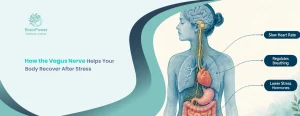
The amygdala, when it detects any danger, sends signals to the hypothalamus. Hypothalamus further communicates with the body’s autonomic nervous system (ANS). The ANS helps adjust the body as per the threat received by changing blood pressure, heart rate and breathing rate.
The Role of Autonomic Nervous System
ANS has two branches: sympathetic nervous system and parasympathetic nervous system. The sympathetic nervous system prepares the body for action, either fight (defend) or flight (run), while the parasympathetic nervous system helps calm the body when danger disappears. These responses helped our ancestors respond to danger and recover afterward.
Stress in Modern Life
Today, stress often comes from ongoing pressure, including workload, financial crises, responsibilities, etc. With the persistence of these pressures, it may cause prolonged stress response, taking more time for emotional and mental health recovery. Also, inability to escape can make people feel overwhelmed, disconnected, and emotionally numb. This experience is often described with the term functional freeze.
What Causes Functioning on Autopilot?
There’s no exact cause of functional freeze. Life experiences and everyday encounters that cause emotional pain and chronic stress may contribute to it. Below are a few examples:
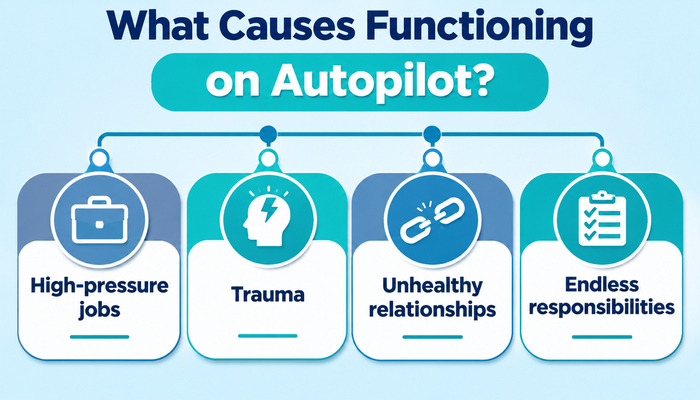
- High-pressure jobs
- Trauma
- Unhealthy relationships
- Endless responsibilities
How to Overcome Functional Freeze?
Several ways can help you get out of the state of freeze; these include:
1. Self-Care Practices
Draw your attention towards activities you love to do, even if they feel unrewarding initially. Listen to music, go out for a walk, or spend time with someone close to you while practicing deep-breathing exercises to calm your nervous system.
2. Make Small Moves
Try to make small body moves or somatic shifts. Micro-movements help calm the nervous system, helping improve emotional regulation.
Liz Tenuto, a somatic exercise instructor, says:
Keeping the body continuously in a resting mode and not making movements may cause freeze response to worsen.
Micro-movements, such as holding your chin, shaking your hands, and moving your head, are very helpful in nervous system regulation.
3. Draw / Write Down
Writing down your feelings and emotions and identifying the triggers helps lower stress response. Also, creating images, patterns, and objects helps build resilience and ensure emotional regulation.
When to Seek Professional Help?
Prioritizing self-care techniques and other practices can help you feel more in control and calm internally. However, being in a functional freeze can cause major disruption in life, affect physical health, and may worsen mental health illnesses, such as ADHD, PTSD, etc. If you are noticing major changes in your daily life schedules due to emotional numbness, it’s better to consult with a certified psychiatrist. The professional helps identify triggers and strengthen emotional regulation through several treatment approaches, such as CBT, DBT, ACT, and more.
How Brainpower Wellness Institute Helps with Functional Freeze Treatment?
Brainpower Wellness Institute helps individuals overcome functional freeze. We provide personalized mental health services, including counseling for emotional regulation and therapies to lower anxiety and manage emotional reactions.
Our licensed psychiatrists work closely with individuals to understand their experiences and identify triggers to tailor a personalized treatment plan to deliver compassionate care and ensure holistic wellness.
We offer in-person treatment appointments in Corona, Long Beach, Orange, and many other locations, along with telepsychiatric service, combining care and convenience. Whether you are feeling emotionally numb, have just started, or have been stuck in a freeze response for years, we can help you achieve lasting relief. We also accept insurance from in-network providers to lower treatment expenses, ensuring everyone prioritizes their mental wellness and finds inner calmness. Book your appointment!